Key facts at a glance
- Identity, not a gap: you have developed, even if it isn’t in your CV.
- Clarity starts inside: strengths, values & interests set the direction.
- The job market is more flexible than you think: moving into a new field, remote work and part-time work are realistic.
- Self-doubt is normal, and you can overcome it.
- Digital tools, learning platforms and self-management tools help you build knowledge. They also strengthen structure, focus and your career orientation.
- Coaching can help. With an Activation and Placement Voucher (AVGS), it is even free of charge.
Why returning to work after parental leave is so challenging
For many women, the transition from the intense family phase back into working life feels less like a step and more like a complete change of identity. During parental leave (Elternzeit), the focus shifts strongly: away from your professional self towards care, organisation and emotional responsibility. What others often see as a “break” is in fact a phase of enormous personal development, just not necessarily in professional categories.
At the same time, the world of work changes faster than you remember: new digital tools, automation, different ways of communicating, different expectations. These changes meet an inner system that has to find a new balance. Your former professional identity no longer fits completely, and the new one is not yet clearly defined.
Many women with a university degree describe how they suddenly become very aware of how much of their self-worth used to be defined by performance, pace or professional expertise. After parental leave, priorities shift, and this inner re-sorting creates friction.

An example from practice
A business graduate described how, after her return, she struggled less with her professional tasks than with the feeling of “not being the same person any more”. She could handle Excel, strategy and analysis just as before, but her view of work had changed. Her uncertainty didn’t come from a lack of ability. It came from a change in identity.
Why these feelings are normal
- Your professional role is only one of many identities. After parental leave, new ones are added.
- A perceived loss of competence often comes from comparing yourself with your earlier self, not from an actual loss.
- Returning to work means adapting, not going back to how things were.
Finding clarity: back to your own strengths
Before you can make career decisions, you need inner orientation. After parental leave, many women see clearly for the first time how much their earlier career paths were shaped by outside expectations: from employers, industry standards or society. In their new circumstances, these patterns often no longer fit.
That is why a new career direction begins with a kind, honest look inwards. What have you learned, experienced and carried in recent years? Which skills have grown stronger, even if they don’t appear in a classic CV? Which new wishes have emerged?
Deeper reflection exercises
Skills inventory: Instead of only noting down professional successes, it helps to write down “invisible” achievements too: moderating conflicts in the family, planning complex routines, flexibility in everyday life, emotional resilience. In many modern professions, these skills are worth more than technical expertise alone.
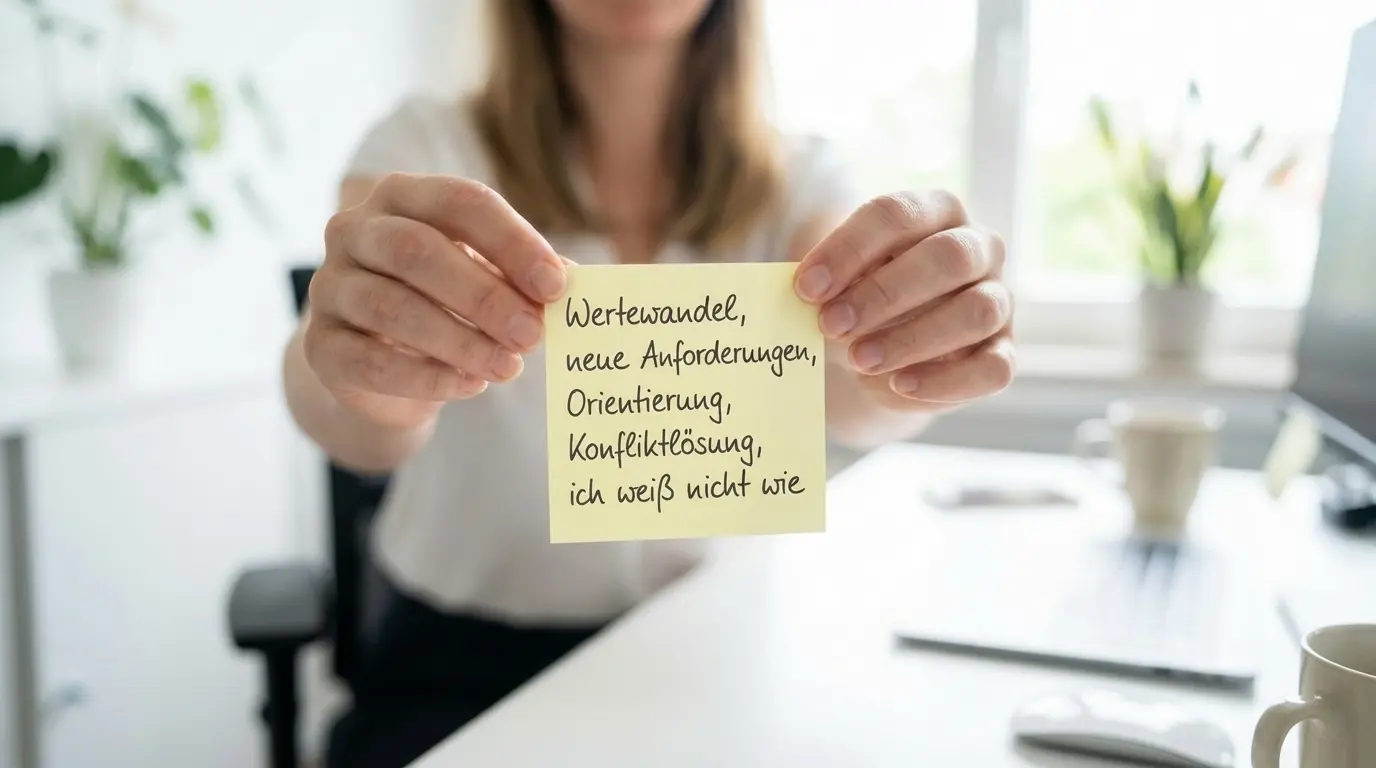
Values analysis: Values are the compass for career decisions. After parental leave, many women feel more clearly what they no longer want: overtime as the norm, being constantly available or a lack of appreciation. Needs can become just as clear: reliability, meaning, development, security.
Focus on interests: The question “What do I enjoy doing?” is too big. Context helps more: “Which activities feel easy?” or “Which tasks fulfil me, regardless of recognition?”
Tip: Take five minutes and spontaneously write down three situations, from work or from your family time, in which you felt competent. What exactly did you do? Which of your strengths were involved? This exercise often shows you straight away what deserves more room again.
Restarting your career: options for women with a degree
Returning to work after parental leave doesn’t have to mean “going back to how things were”. Often, new possibilities open up.
Possible paths
- Returning to your previous field
- Changing positions within your industry
- Moving into a related field
- Part-time, job sharing or remote-first models
What many people underestimate
Most women with a degree have transferable skills that are in demand in a wide range of roles. Reassessing your own abilities lets you discover career paths that were not visible before.
Step by step back into work
A successful return doesn’t come from perfection. It comes from a clear, well-paced process. Many women find the sheer number of to-dos paralysing: CV, applications, conversations, training options. That is why it often feels liberating to break the path into smaller stages.
Update your CV and profiles: with clarity, not justification
You don’t need to hide or explain your parental leave. It can stand there with confidence. What matters is which role you want to take on today. Your CV is not there to explain the past, but to point towards the future. Results, strengths and clear career goals move to the foreground.
Digital visibility: being present creates opportunities
An authentic LinkedIn profile works like a modern business card. It shows who you are today and opens doors before you have even written any applications. Many women returning to work find that simply updating their profile leads to contact requests, ideas from their network or career opportunities.
Explore the job market again: lively, not linear
Instead of committing to one perfect decision, an exploratory approach can feel liberating. Conversations with people in interesting roles, research into industries that are changing or short training courses give you ideas. They bring clarity much faster than decisions made purely in your head.
Three micro-steps to get started
- Pick one professional strength and make it more visible in your CV.
- Update one section of your LinkedIn profile. Just one, not everything.
- Talk to someone whose job interests you about their work. No agenda, just to learn.
These small steps create momentum and break down inner blocks.
Overcoming self-doubt: resolving inner blocks
A new career direction is rarely an external problem. It begins on the inside.
Typical inner hurdles
- Fear of being overwhelmed
- Perfectionism
- Pressure to compare yourself with others
- Difficulty making decisions
Helpful tools
- small, realistic steps
- a thought diary (What triggers uncertainty?)
- looking back at your strengths
- clear priorities
Self-doubt doesn’t mean you can’t do it. It only shows that this step matters to you.
Finding support: which options are available
Not every woman needs coaching. But every woman may accept support when she needs it.
Options for support
- Advice centres for returning to work
- Mentoring programmes
- Self-directed learning programmes
- Funded or private coaching
What matters is not the type of support, but that it fits your situation.
Further resources
Learning and skills platforms
- Coursera
- Udemy
- OpenHPI / OpenSAP
Tools for structure and self-management
- Notion
- Trello
- Habit trackers
Application tools
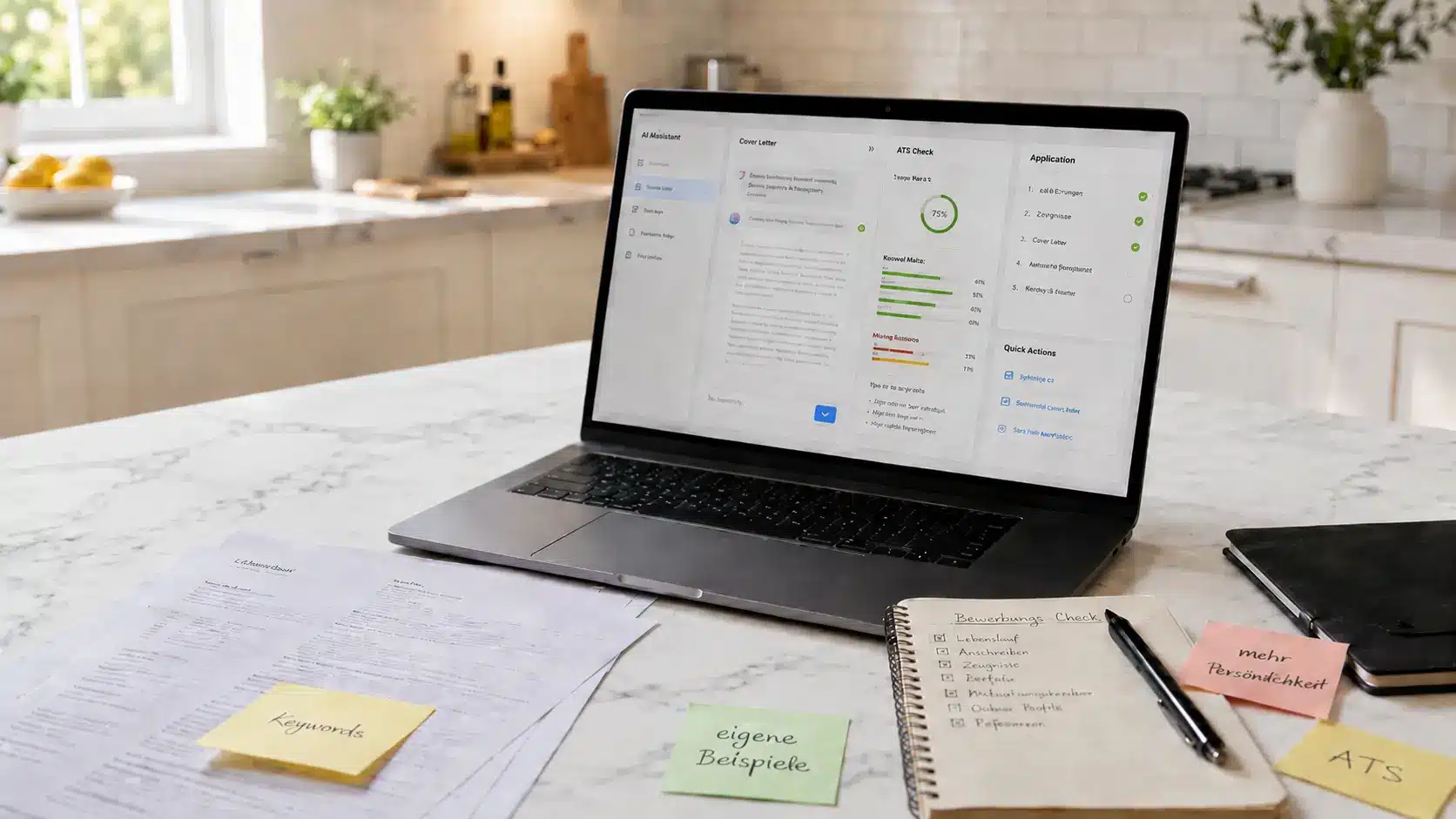
- Jobscan
- Canva CV templates
- LinkedIn Skill Assessments
Where to go from here
Returning to work after parental leave is not a “test” you have to pass. It is a phase of growth, of orientation and of rediscovering your professional identity.
However long your break lasted, your strengths have not disappeared. You can redefine your career path, discover new roles and shape a working life that fits your current reality.
The first step doesn’t have to be big. It only has to be yours.
Frequently asked questions about your career after parental leave
Do I have to mention parental leave in my CV?
Yes, you should mention parental leave, but briefly, factually and with confidence. It is part of your life story and not a flaw. Many employers know that parental leave strengthens valuable skills, for example prioritising, organisation or conflict resolution. What matters is that your CV still focuses on your professional strengths and career goals.
Have I been out too long to return successfully?
The length of your break says little about your professional ability. Skills don’t disappear. They are just used differently. Many skills from parental leave are in demand on today’s job market, such as resilience, planning or communication skills. Specialist knowledge can be refreshed, but your foundation remains.
Which training courses are suitable for a fresh start?
Training doesn’t have to be big or expensive. Even short modules on digital tools, communication, project management or subject-specific topics can make your return easier. Modern platforms offer flexible formats that fit well into family life.
What if I don’t know yet where I want to go professionally?
Orientation is a process, not a sudden flash of inspiration. If the way ahead is unclear, exercises such as an interest analysis, a skills inventory and a values check help you see the first outlines. Conversations with people in interesting jobs, short online courses or exchange in professional groups open up new perspectives and make decisions easier.
Final tip: If you are torn between options right now, don’t just note down what seems "doable". Also note down what feels right. The two belong together.